Rail & Transit
Train track-side competence without closing the line
Rail environments combine live current, moving stock, and tight possession windows. VR simulation reproduces track-side hazards, signalling procedures, and depot maintenance so staff build confidence and competence long before a real possession.
24/7
Training without possession windows
100%
Repeatable, identical scenarios
↓
Fewer near-misses on the live network
Hazards we simulate
- Live conductor rail / OLE
- Moving rolling stock
- Lookout & protection
- Depot maintenance
Why teams choose simulation
No track access required
Run protection and possession drills any time, removing the bottleneck of scarce live-track training slots.
Rehearse rare events
Practise emergency and degraded-mode scenarios that almost never occur in routine operation.
Audit-ready records
Every simulated assessment is logged, giving safety teams a clear competency trail.
Related project work
Rail & Transit in practice
The Grid - Switches and Routes
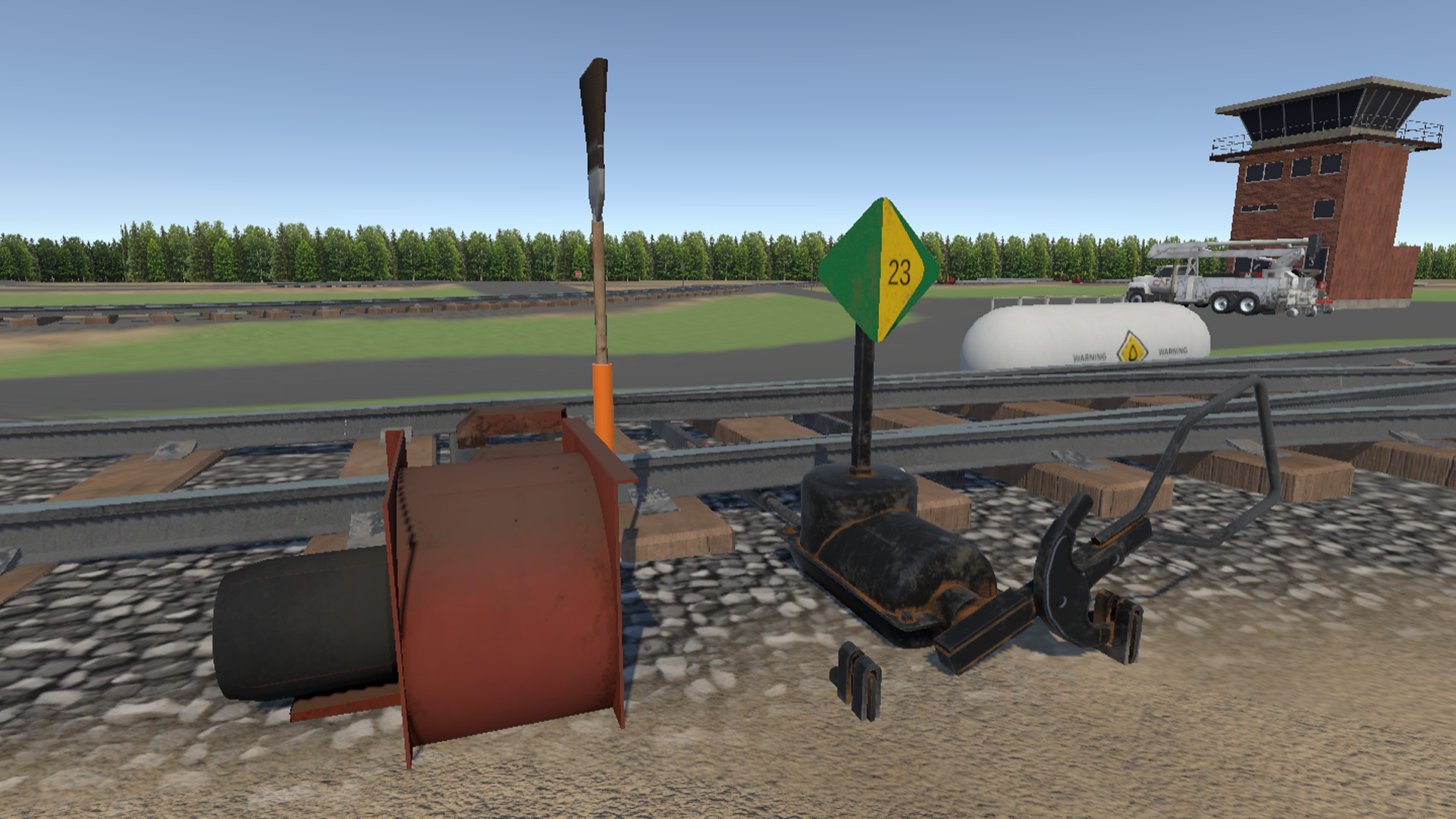
The Switches and Routes module provides a high-fidelity simulation designed to master the logistical and safety-critical tasks of rail yard operations. By interacting with detailed "digital twins" of major North American hubs—including the FIT, Symington, MacMillan, and Markham yards—users step into the role of a ground operator tasked with navigating complex track geometries. The primary objective is to move locomotives and rolling stock efficiently by manually aligning a series of switches to create a clear, continuous path. This hands-on approach transforms theoretical routing logic into a practical skill set, ensuring students can visualize and execute movements through dense, high-traffic environments without error. Safety and procedural discipline are at the heart of the experience. The simulation strictly enforces Point and Call procedures, requiring users to physically and verbally confirm the position of every switch before and after it is thrown. To maintain realism, the module introduces environmental variables, such as track debris, which users must clear using a broom to ensure a proper switch point fit. This level of granular detail reinforces the habit of "looking twice" and emphasizes that operational efficiency never comes at the cost of safety protocols. Beyond simple routing, the module offers an advanced curriculum focused on Track Protection. Students learn to secure specific sections of the yard for maintenance or safety zones by strategically deploying flags, derails, and switch locks. By mastering these defensive measures, users gain a comprehensive understanding of how to isolate tracks and protect ground crews from unexpected movements. This dual focus on both active transit and stationary protection ensures that employees are prepared for the full spectrum of responsibilities encountered in a live rail yard.
Hope4Cancer App
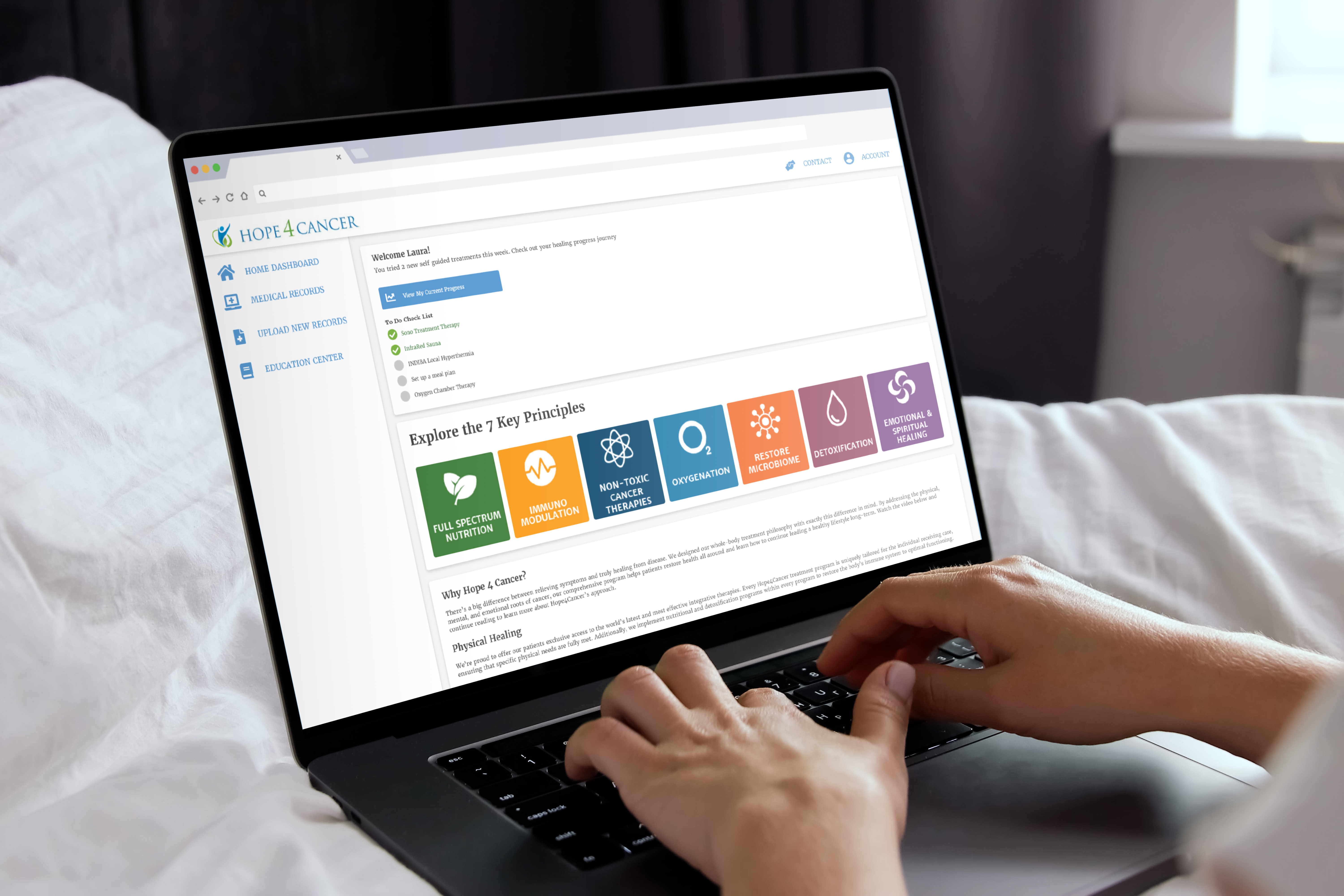
The Hope4Cancer mobile app, developed by Bit Space Development (BSD XR), is a patient-focused tool designed to transition from a marketing resource into a comprehensive clinical framework. Centered on the "7 Key Principles of Cancer Therapy," the app provides patients with a personalized "one-stop shop" to manage their healing journey, whether they are in-center at the Tijuana or Cancun clinics or continuing care at home. The interface features a "To-Do Check List" for daily treatments—such as Sono-Photo Dynamic Therapy, InfraRed Sauna, and Oxygen Chamber Therapy—allowing patients to track their progress and stay engaged with their recovery protocol.
The Grid - Near Miss
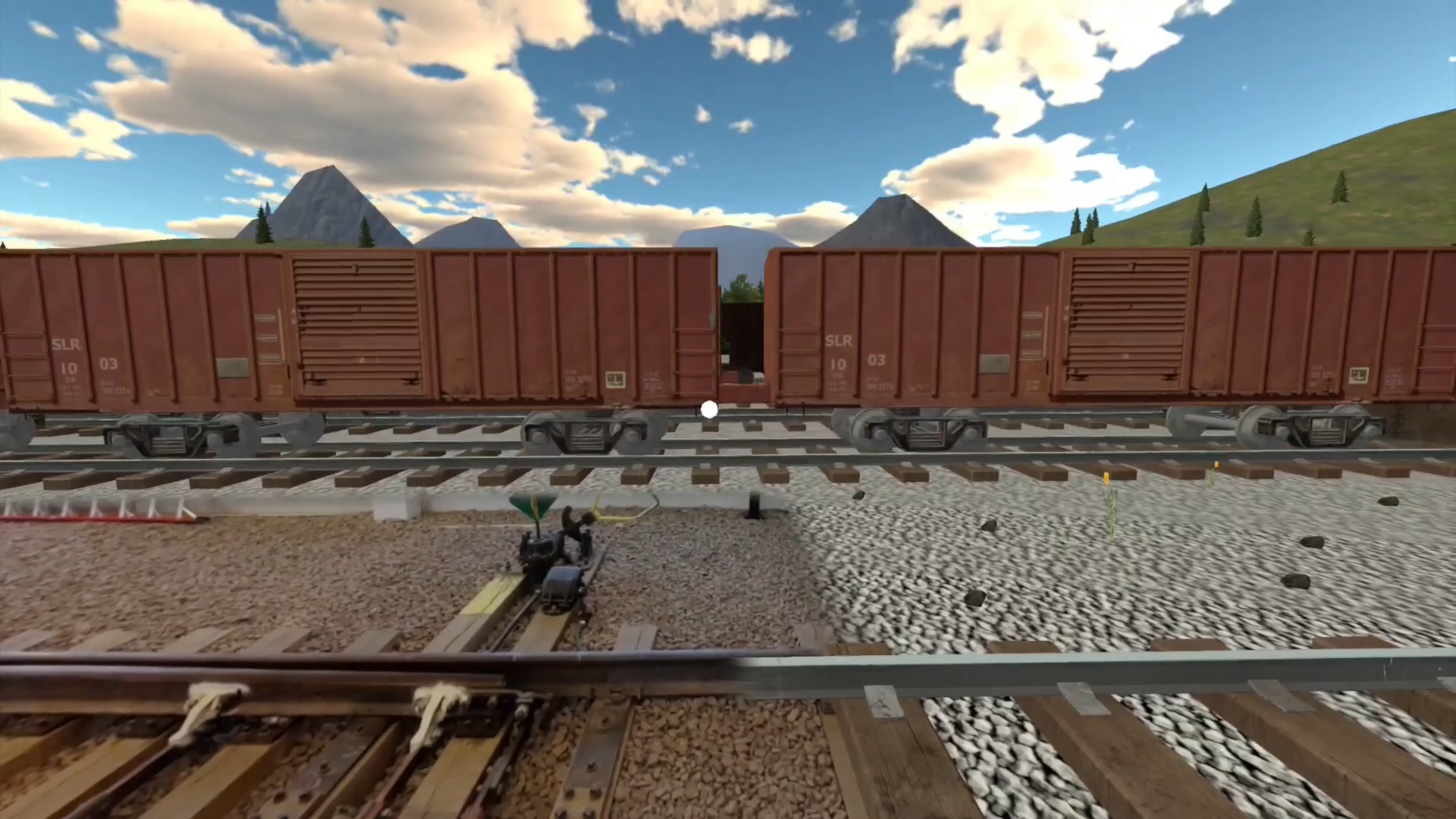
Developed for Canadian National Railway (CN), the Near Miss module utilizes the high-fidelity passthrough of the Pico 4 Ultra Enterprise to immerse users in "Life Critical" augmented reality training. The experience focuses on the high-stakes discipline of crossing a single set of tracks, where situational awareness is non-negotiable. Users must physically throw a manual switch and perform the Point and Call protocol to verify their actions, building the essential muscle memory required for safe field operations. The simulation emphasizes the immediate consequences of a safety lapse: if a user forgets to look both ways before stepping across the tracks, they are struck by an oncoming train. By prioritizing this direct, visceral outcome over complex menus, the module reinforces a vital lesson for CN personnel—that consistent, disciplined safety checks are the only way to prevent fatal accidents.
Other industries